Heavy menstrual bleeding affects millions of women in the United States — and one of the most common underlying causes is uterine fibroids.
In fact, up to 70–80% of women will develop fibroids by age 50. Yet heavy bleeding is still widely misunderstood and too often dismissed as “just part of being a woman.” If your period feels disruptive, exhausting, or overwhelming, it may be worth looking more closely. Understanding the connection between heavy menstrual bleeding and fibroids is an important first step toward the right care.
What is heavy menstrual bleeding?
Heavy menstrual bleeding means more than a “bad period.” It’s bleeding that disrupts your routine, drains your energy, or feels difficult to manage — and uterine fibroids are frequently behind it. Identifying the underlying condition is an important first step toward getting the information and care you need to better manage your symptoms.
When bleeding soaks through protection quickly, lasts longer than a week, or forces you to plan around bathroom breaks, it may signal something more than typical menstrual flow. Persistent or worsening symptoms deserve a closer look — and a conversation with your healthcare provider.
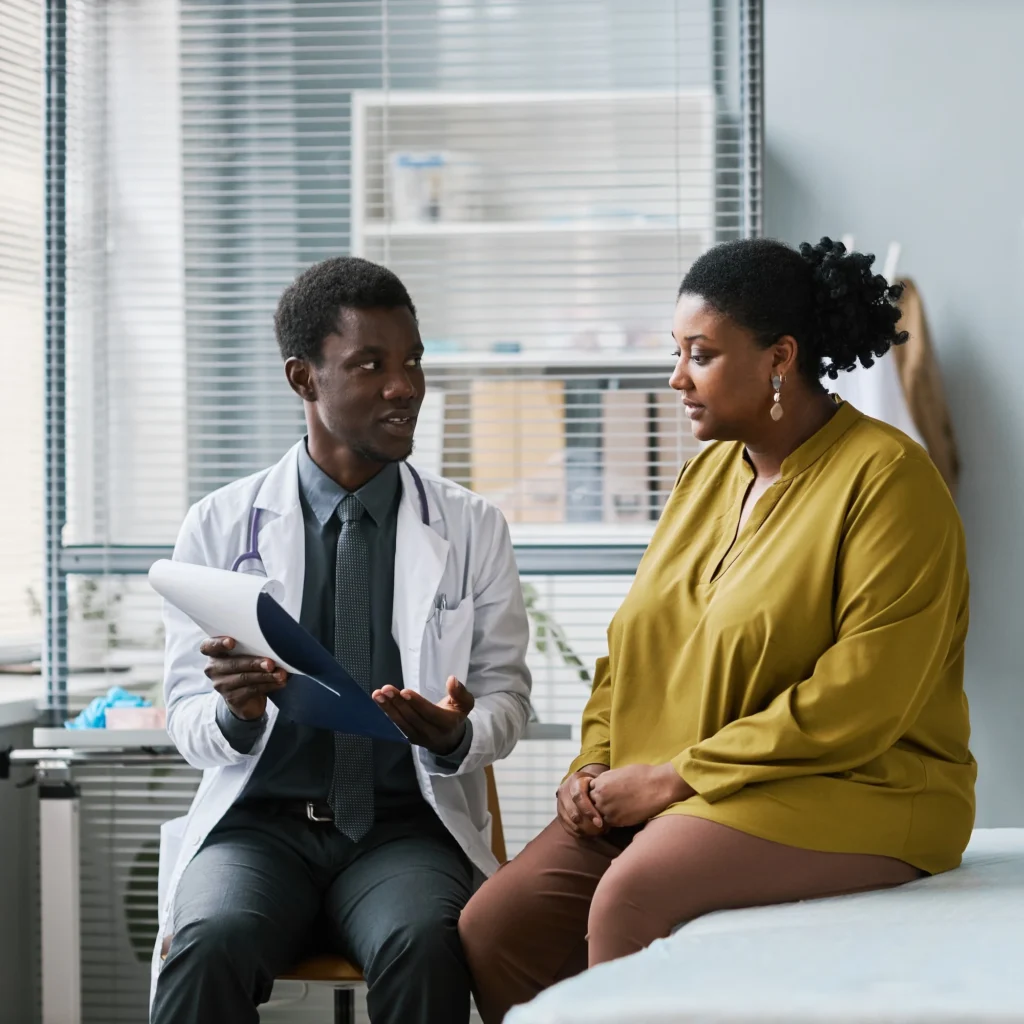
What comes next? Talking to your healthcare provider
If heavy bleeding has become a pattern — not just a one-off cycle — it’s worth bringing up with a healthcare provider. Tracking when it happens, how long it lasts, and how it affects your energy or daily life can help guide that conversation. Understanding what’s behind your symptoms is the first step toward deciding what to do about them.
This educational initiative is part of a sponsored collaboration between The Fibroid Foundation and Always to expand awareness and education of heavy menstrual bleeding.